Mini Puppet Rigs
Intro
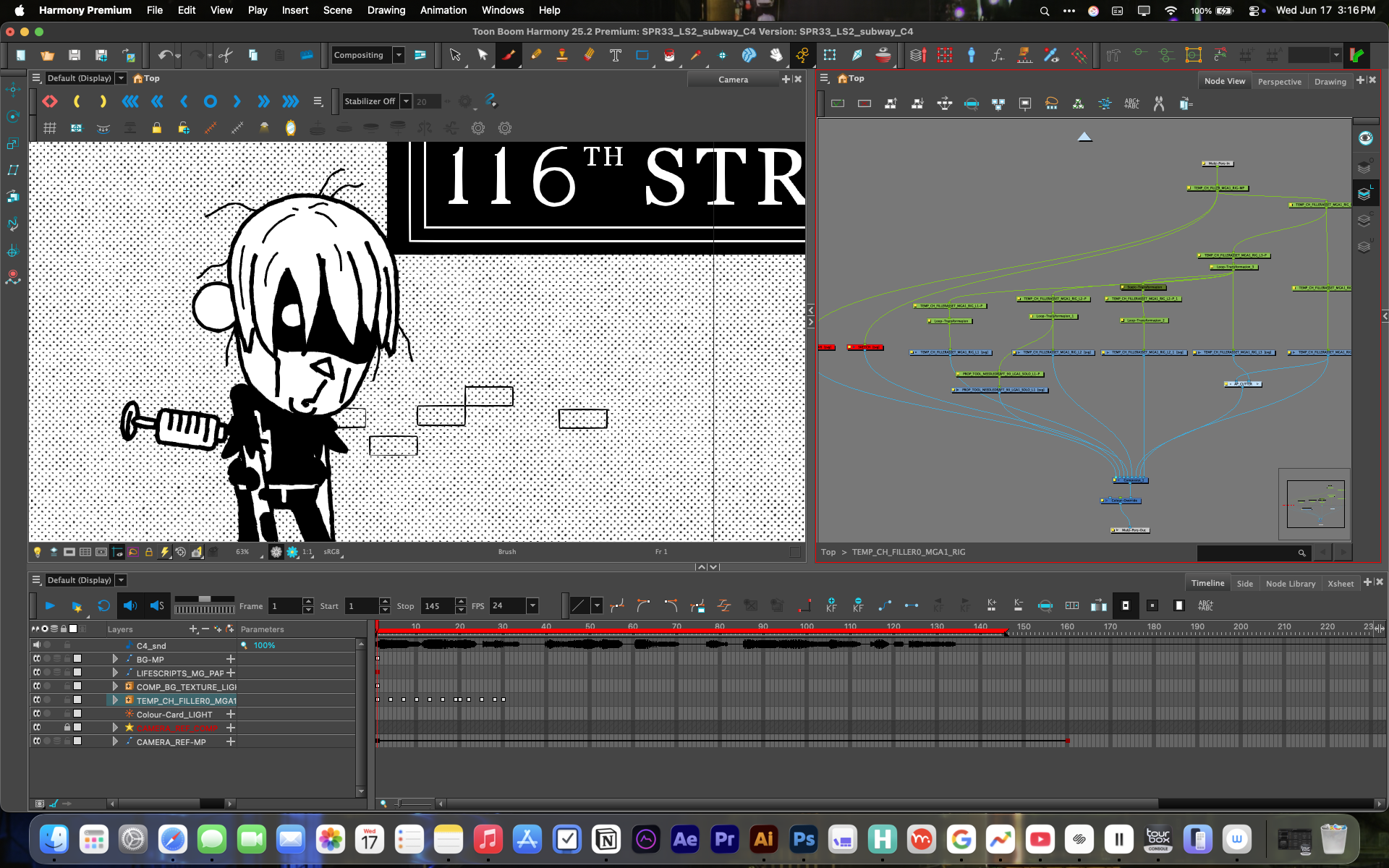
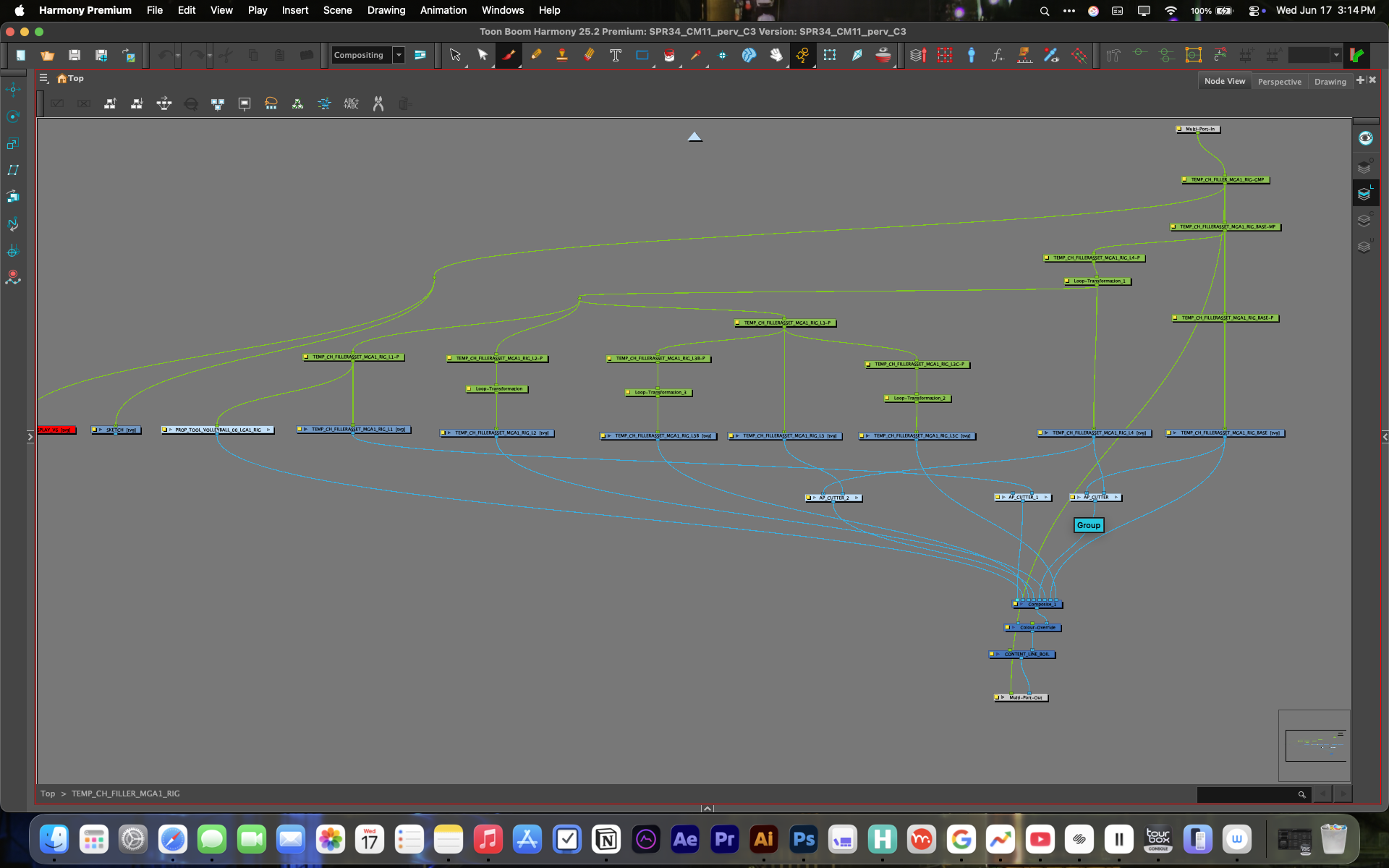
When it comes to production of the shorts that I make, one of the biggest bottlenecks is the size of the rigs that I animate with in Toonboom Harmony. Importing a rig into a scene can be a hazardous process leading to crashes or slow processing. This is before I even have to customize the rig for the short (in the case of building secondary characters to animate or customizing the look of the ‘KSP’). The whole process before animation begins has historically been a very slow and fragile and momentum grinds down to a halt. After finishing the V6 rigs last year (which are optimized and lighter than previous ones) I wanted to make it a goal for this year to find other methods to expedite production.
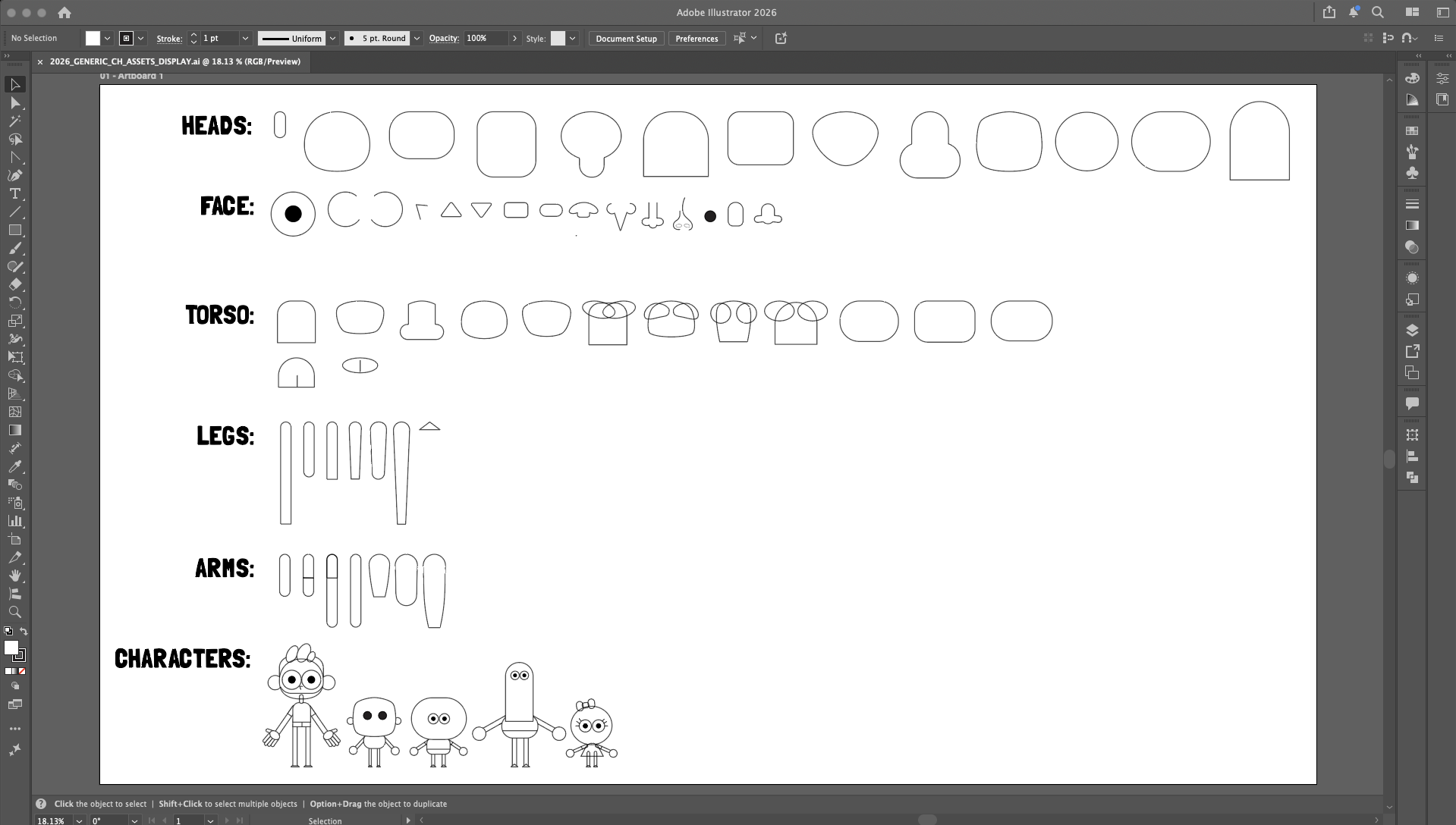
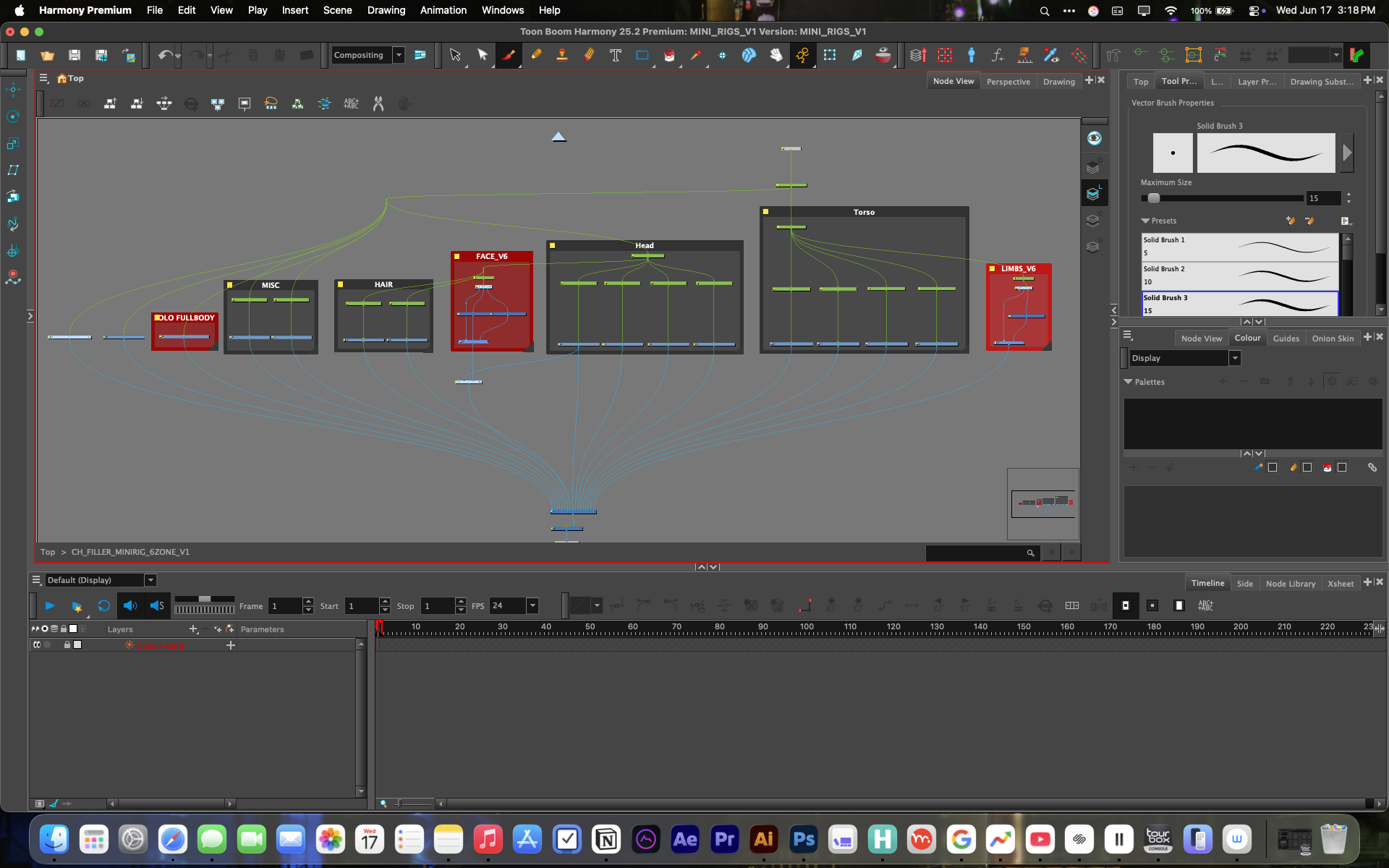
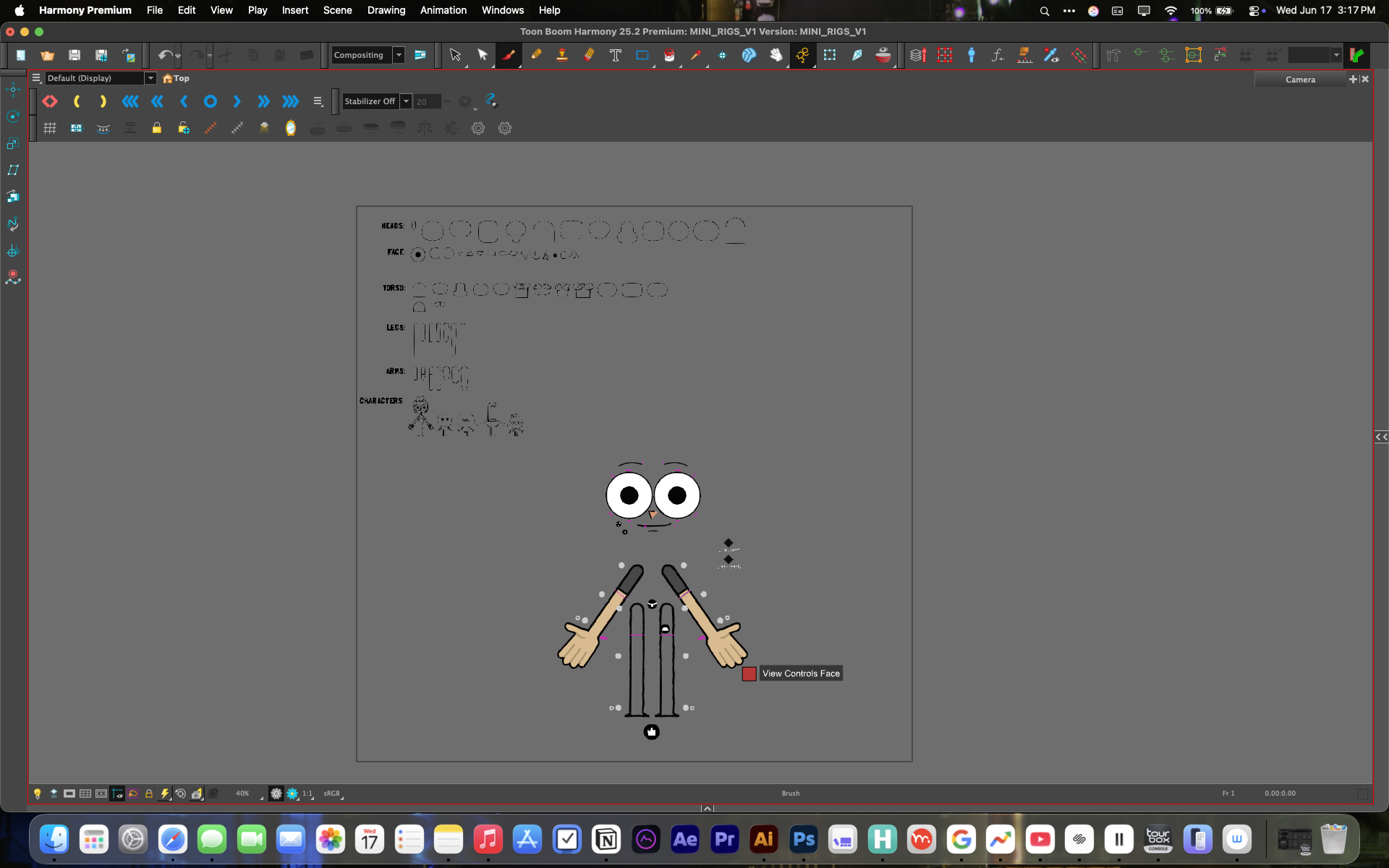
One of the main ideas I had to make the setup process smoother was to implement mini-rig templates. Specifically these would be rigs I could use for one-off characters that don’t need 360 rigs, or would have limited animation in a short. These rigs would serve at least 3 purposes: faster workflow, more hand drawing and giving assets an easier application of rigged animation. The desire is to do as little frame-by-frame animation as possible (it’s a luxury and expensive) but keep the quality of animation as high as possible. Sometimes it’s much quicker to draw an asset than it is to rig a puppet, and vice versa. So far my workflow only allows for me to do the bulk of production with large and heavy rigs. The additional flexibility that mini rigs allow would be a big and welcomed change for me.
As a pilot test for this new way forward, I spent a lot of time creating and working the issues out of mini rigs for my last 2 shorts (that will premiere in the summer). So far after using these templates, the results have been promising. Currently there are a bunch of issues, which is to be expected for the first time application of a new idea. I’m not going to list them here, but the short of it is that these are surmountable issues. There is a very tall ceiling for the application of this method to make production more efficient. In the first implementation things took forever to get going, but there was some improvement for the second scenario. However, once I finished up the second application I had a ton of new ideas for future applications that can make my life easier, and the shorts more dynamic.
The last thing I’ll mention is that with the application of mini-rigs, I will finally be able to make animal rigs. This is something I’ve wanted to do ever since I started making storytime shorts, but the time investment to make 360 rigs for what would be several animal characters is far too high. Now that there is a viable path forward for specialized infrequent use cases, I will be able to do a wider variety of shorts. The promise and potential of mini-rigs are really exciting and I can’t wait to see how their implementation changes my ability to make shorts.
-Until next time-